How to remove red wine stains from fabric, carpet, counters and walls
To remove red wine stains, blot right away, sponge or soak the spot in cool water, pretreat with liquid detergent or a prewash stain remover (never bar soap), then wash with oxygen bleach, or chlorine bleach if the fabric allows, and hang to dry. Wine's color comes from water-soluble grape pigments bound up with tannins, so cool water lifts what's loose and an oxidizing bleach breaks down the rest.
- Best method
- Blot, cool soak, detergent, then a bleach wash
- Time
- 45 minutes plus a wash
- Difficulty
- Easy
- Stain type
- Tannin
You will need
- White cloths or paper towels
- Cool water or club soda
- Liquid laundry detergent or prewash stain remover
- Oxygen bleach, or chlorine bleach for white cotton
- Table salt, for a fresh spill
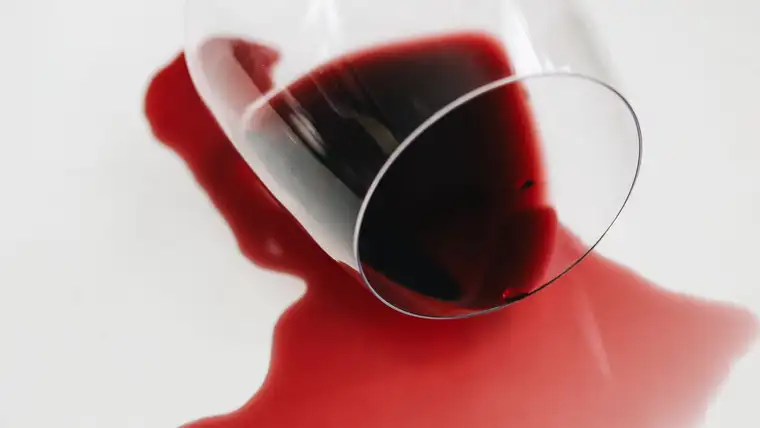
How to remove red wine stains
- 1
Blot immediately
Press a white cloth or paper towels onto the spill to soak up as much wine as possible. On a fresh spill, a sprinkle of table salt helps absorb more. Don't rub.
Why: Wine you remove before it dries can't bind to the fibers, and rubbing spreads it.
- 2
Sponge or soak in cool water
Sponge the spot with cool water or club soda, or soak washable fabric in cool water for about 30 minutes.
Why: The pigments and sugar in wine dissolve in water, so a cool soak dilutes and rinses out a lot of the color.
- 3
Pretreat with liquid detergent
Rub in liquid laundry detergent or apply a prewash stain remover. Don't use bar soap or soap flakes.
Why: Detergent lifts the residue. Natural soap can set tannin stains and make them harder to remove.
- 4
Wash hot with bleach
Launder in the hottest water the fabric allows with an oxygen bleach product, or chlorine bleach if the label allows.
Why: Oxidizing bleach breaks down the anthocyanin pigment and tannin color that water can't remove.
- 5
Hang to dry and check
Air-dry and check in daylight. If any pink or gray remains, repeat the soak and bleach wash.
Why: Dryer heat can set leftover pigment.
Why red wine stains, and why it can turn blue
Red wine gets its color from anthocyanins, pigments from the grape skins, together with tannins, polyphenols that bind readily to other organic material, including fibers. It also has sugar, acid and alcohol. Extension guides class wine as a tannin stain, which is why bar soap is ruled out: natural soap can set tannins.
Anthocyanins change color with pH. They're red in acid and shift toward blue or purple as things get more alkaline, so a wine stain can turn grayish-blue when alkaline detergent touches it. That's normal and doesn't mean the stain is set. Iowa State also notes that the sugars in wine brown over time, so old stains can look tan rather than red and need longer oxygen bleach soaks.
Red wine on countertops, floors and walls
On painted walls, the University of Georgia extension wipes beverage spills right away with a cloth or sponge dampened in warm sudsy water, then rinses and dries. On tile, vinyl, sealed stone and concrete floors, it rubs the stain with a detergent solution, and if a mark remains, gently with denatured alcohol on a soft cloth, after testing a hidden spot. On wood, blot immediately, because alcohol dissolves many finishes.
On engineered quartz, wipe wine up promptly rather than letting an acidic spill sit on the resin. Clean with a few drops of dish detergent in warm water and a soft cloth. The same maker suggests hydrogen peroxide for stains, rinsed off afterward, and warns against high-pH cleaners, scouring powder and concentrated bleach. Marble is a natural stone that acids etch, so treat it more cautiously.
Red wine on every surface
The method changes with the surface: fabrics can soak, carpets and mattresses can't. Pick yours for the full steps.
| Surface | What works |
|---|---|
| Carpet | Blot, dish-detergent solution, vinegar solution, rinse |
| Clothes | Blot, cool soak, detergent pretreat, hot wash with bleach |
| Couch | Blot, dish-detergent solution, vinegar solution, light rinse |
| White clothes | Cool soak, detergent pretreat, hot wash with bleach |
| Countertop | Wipe wine up quickly, clean with a few drops of dish detergent in warm water, and on quartz use hydrogen peroxide on a cloth for a lingering mark, then rinse; avoid scouring powder and high-pH cleaners. |
| Walls | Wipe the spill right away with a sponge dampened in warm sudsy water, rinse with a clean damp cloth and dry, using light pressure on flat or matte paint. |
By situation
Dried or old wine stains
Soak longer in an oxygen bleach solution; the Kentucky extension guide says old tannin stains may need bleaching to come out completely. The American Cleaning Institute adds that older beverage stains may respond to an enzyme presoak before laundering.
It survived the wash or dryer
If a gray-blue or brown mark is left, soak in oxygen bleach and rewash hot, or use chlorine bleach on colorfast whites if the label allows. Machine-dried stains may need several soaks.
Red wine on a white shirt
Blot, soak in cool water for about 30 minutes, pretreat, then launder with chlorine bleach if the label allows, or an oxygen bleach product in the hottest safe water. See red wine on white clothes.
Red wine on carpet or a couch
Blot, pour on club soda or cool water and blot again, then use a mild detergent solution followed by a dilute vinegar solution. Check a couch's cleaning code first. See red wine on carpet for the full sequence.
Silk, wool and dry-clean-only items
Blot and rinse gently with cool water, skip chlorine bleach, and take the item to a dry cleaner. Linen and cotton tablecloths handle hot washes and bleach better, if the label allows.
What not to do
- Don't use bar soap or soap flakes. Natural soap can make tannin stains permanent or harder to remove.
- Don't rub. Rubbing spreads the stain and damages the fibers.
- Don't dry or iron before the stain is gone. Heat sets the remaining pigment.
- Don't mix vinegar or ammonia with chlorine bleach. Vinegar and bleach release chlorine gas, and ammonia and bleach release chloramine gas. Rinse thoroughly between products.
Other methods that work
Club soda
Iowa State suggests pouring club soda on red wine and letting it fizz for about 10 minutes before blotting. It mostly dilutes and lifts the wine, so plain cool water does much the same job.
Caution: Follow with proper cleaning or laundering.
Salt or baking soda on carpet and upholstery
A dry absorbent sprinkled on a fresh spill draws up liquid; vacuum it off afterward.
Caution: It only absorbs liquid. It doesn't remove pigment that has already bound to the fibers.
3% hydrogen peroxide on whites
Hydrogen peroxide oxidizes wine pigments. It isn't cited specifically for wine on fabric in the guides here, so treat it as traditional, with weak evidence.
Caution: It can lighten dyes. Test it first.
Boiling water through cotton or linen
A traditional method for fruit and beverage stains: stretch the fabric and pour boiling water through it. It's traditional, with weak evidence.
Caution: Never on wool or silk. It can damage finishes, and there's a scald risk.
Stain still there?
The stain turned blue or gray
That's the pigment reacting to alkaline detergent, not a new stain. Keep going with an oxygen bleach soak.
A faint pink or tan ring remains
Soak again in oxygen bleach in the warmest water the fabric allows, or use chlorine bleach on colorfast whites. Air-dry between attempts.
Safety
- Never mix vinegar or ammonia with chlorine bleach.
- Test bleach, peroxide and alcohol on a hidden spot first.
Never mix cleaning products; see chemicals you must never combine.
Questions
What is the best red wine stain remover?
For washable fabric, a cool soak followed by liquid detergent and a wash with oxygen bleach, or chlorine bleach on white cotton. Avoid bar soap, which can set tannins.
How do you remove a red wine stain from a quartz countertop?
Wipe it up quickly, wash with a few drops of dish detergent in warm water, and for a lingering mark use hydrogen peroxide on a soft cloth, then rinse. Skip abrasive powders and high-pH cleaners.
How do you remove wine stains from a wall?
Wipe the spill right away with a sponge dampened in warm sudsy water, then rinse with a clean damp cloth and dry. Use light pressure on flat or matte paint.
Does white wine remove red wine stains?
None of the sources here recommends it. Cool water or club soda dilutes the stain just as well without adding more sugar.
What is a port-wine stain birthmark?
It's a birthmark, not a stain, and it has nothing to do with wine or cleaning. Ask a dermatologist about it.
Other tannin stains
Sources
- Stain Removal Guide, American Cleaning Institute
- Quick and Easy Stain Removal for Clothing (HS 305, May 2026), Iowa State University Extension and Outreach
- Common Holiday Stain Removal Guide (AnswerLine), Iowa State University Extension and Outreach
- Stain Removal for Washable Fabrics (HE 2-840), University of Kentucky Cooperative Extension Service
- Remove Stains From Alcoholic Beverages, Beer, Wine, University of Georgia Cooperative Extension
- Quartz Countertop Care: Tips to Keep Your Surfaces Looking New (2025), Caesarstone (quartz surface manufacturer)
Last updated . Methods are drawn from the sources above; how we research and check our guides.