Stain removal guide: every stain by type
A stain is defined by what it's made of, not where it landed. Blood, sweat and milk are proteins that heat cooks into fabric; coffee, tea and wine are tannins that soap can set; grease needs to be absorbed and degreased; ink and dyes need a solvent. Find your stain's type below, and the right method follows.
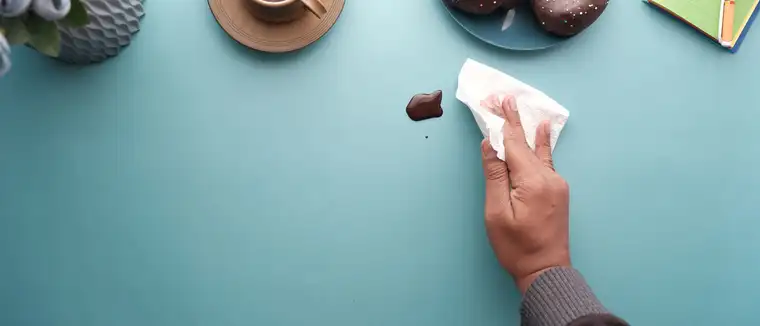
Find your stain
Rules for every stain
- Treat as soon as possible. Fresh stains are easier to remove; set-in or aged stains need stronger removers that can harm fabric.
- Blot, don't rub. Rubbing spreads the stain, pushes it deeper and can break fibers, remove color or distort loosely woven fabrics.
- Work from the back of the fabric over a clean absorbent pad. Pushes the stain out of the fabric the shortest way instead of through it; the pad catches what is released.
- Test removers on a hidden area first. Removers (alcohol, ammonia, bleach, solvents, prewash sprays) can change or remove some dyes; fabric looks darker wet, so check after it dries.
- No dryer, no iron until the stain is gone. Heat sets many stains and can make them impossible to remove; air-dry and inspect first.
- Unknown stain: start with cold water, then detergent, then solvent/bleach. Hot water can set protein stains; working from least to most aggressive avoids damage.
- Never mix removers, especially chlorine bleach with ammonia or with acids; rinse between products. Bleach plus ammonia forms chloramine gas; bleach plus an acid (including vinegar) forms chlorine gas.
- Dry-clean-only, leather, suede and fur go to a professional. Home water-based methods can damage them; Iowa State advises taking dry-clean-only items in within 24-48 hours.
Protein stains
Stains made largely of proteins (long amino-acid chains), often with water, salts and fats. Proteins are sticky and bind to fibers as they dry. Heat (and extreme pH, some solvents) denatures proteins: the chains unfold and clump (coagulate), which locks the residue between and onto the fibers.
- Cold water first. Hot water 'cooks' the protein, causing coagulation between the fibers in the yarns; cold water lets the still-soluble protein rinse out.
- Enzyme presoak or enzyme detergent. Protease enzymes break protein chains into smaller water-soluble pieces that wash away; useful once the stain has dried or aged.
- Then wash warm, not hot. After the protein is loosened, warm water helps the detergent remove the rest without setting what remains.
- Bleach safe for the fabric only if color remains. Many protein stains carry color (e.g., blood's heme, strawberry gelatin, chocolate ice cream) that needs oxidation after the protein is gone.
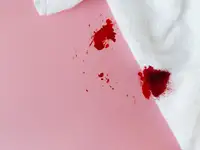 Blood
 Cat urine
 Dog urine
 Milk
 Poop (feces)
 Semen
 Sweat
 Urine
 Vomit
Tannin stains
Plant polyphenols (tannins) and related plant pigments in drinks and fruit. Tannins are astringent compounds that bind to and precipitate proteins and other organic molecules, so they cling to fibers. Many fruit pigments (anthocyanins) change color with pH.
- Detergent (not soap) wash, hot as the fabric allows. Fresh tannin stains usually wash out in detergent and hot water; natural soap (bar or flake soap, soap-based detergents) can make tannin stains permanent or harder to remove.
- Oxygen bleach or chlorine bleach if safe for the fabric. Old tannin stains often need oxidation to break down the colored polyphenols.
- Cool water first for beverages. ACI recommends sponging or soaking beverage stains (coffee, tea, wine, soft drinks) in cool water before pretreating, to dilute the stain and any sugar.
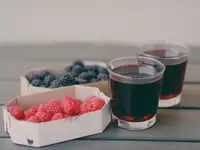 Berries and juice
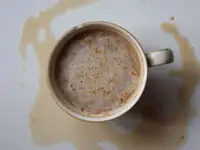 Coffee
 Red wine
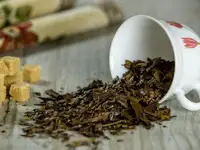 Tea
Oil and grease stains
Non-polar fats, oils and greases (food fats, body oils, lotions, motor oil). They do not mix with water, so plain water beads off them. Synthetic fibers such as polyester are 'oil-loving' (oleophilic) and hold oily stains tightly; oil stains on polyester can darken over time.
- Absorb or scrape excess first. Less oil left to dissolve; absorbent powders were the classic first step and the CRI starts with blotting/scraping.
- Work full-strength liquid detergent or dish soap into the stain. Surfactants emulsify oil: one end of the molecule holds the oil, the other is attracted to water, so the oil lifts off as droplets that rinse away.
- Solvent (dry-cleaning fluid or a solvent-based prewash) for heavy oil. Oil dissolves in non-polar solvents; ACI places heavy stains face down on paper towels and applies cleaning fluid to the back.
- Hottest water safe for the fabric. Heat softens and liquefies fats so detergent can remove them.
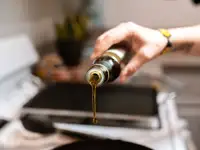 Grease and oil
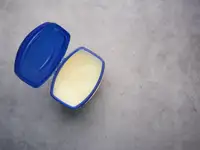 Petroleum jelly
 Sunscreen
Dye stains
Colorants designed or able to bond with fibers: synthetic dyes (drink mixes, markers, dye transfer from other clothes, hair dye) and strongly colored natural pigments (turmeric/curcumin, chlorophyll in grass, mustard). Once bound, they behave like a dyed fiber rather than dirt sitting on it.
- Pretreat with liquid detergent and rinse. Removes loose colorant before it spreads.
- Soak in oxygen (all-fabric) bleach; chlorine bleach on whites if safe. Bleaches oxidize the colored part of the dye molecule so it no longer absorbs visible light.
- Solvent for solvent-based inks (rubbing alcohol). Alcohol-based inks re-dissolve in alcohol and can be blotted into a pad.
- Color remover (sodium hydrosulfite) as a last resort on whites. A reducing agent that strips dyes; it can also fade colored fabrics.
 Dry erase marker
 Hair dye
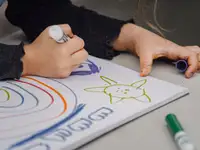 Marker
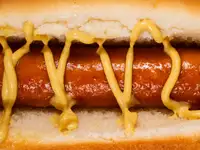 Mustard
 Permanent marker
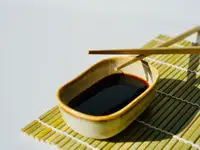 Soy sauce
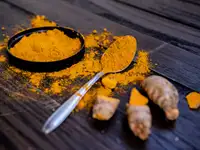 Turmeric
Combination stains
Mixtures of the classes above, usually an oily/waxy part plus a dye or pigment, or a protein part plus a dye. Each part needs its own chemistry, and the wrong order can set one part.
- Oily/waxy part first with solvent or detergent, then dye part with bleach. Bleach and water cannot reach pigment trapped in oil or wax; once the oily carrier is dissolved, the remaining color can be oxidized.
- Protein part first in cold water/enzymes, then dye part. Hot water or alkaline bleach could set the protein before it is removed.
- Start with the least aggressive step. Kentucky's sequence: cold soak, then liquid detergent and warm water, then solvent/pretreatment and all-fabric bleach, then diluted chlorine bleach on colorfast/white items.
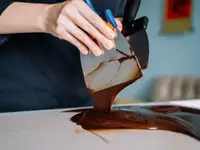 Chocolate
 Grass
 Ink
 Lipstick
 Makeup
 Tomato sauce and ketchup
Wax, gum and resin
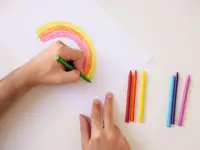
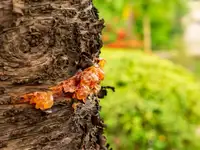
Solids or very viscous materials that sit on and wrap around fibers: paraffin and other waxes (candles, crayons), natural resins (tree sap/pitch), bitumen (tar), and gum base (chewing gum). They are oil-soluble, often carry dye, and become softer and more spreadable when warm.
- Harden with ice or the freezer, then scrape or crack off. Cold makes gum and wax brittle so they release from fibers instead of smearing.
- For wax: melt into absorbent paper with a warm iron. Melted wax wicks into paper towels placed above and below; change the paper often (ACI).
- Dissolve the residue with dry-cleaning solvent, adhesive remover or rubbing alcohol (sap). Wax, resin and tar are oil/solvent-soluble.
- Then liquid detergent and wash; bleach any leftover dye. Removes solvent and oily film; crayon and candle dyes may remain after the wax is gone.
 Crayon
 Gum
 Tar
 Tree sap
 Wax
Dirt and particles
Insoluble particles (clay, silt, chalk, pollen, soot) lodged between fibers, sometimes with organic matter or iron-oxide color (red clay). Wet particles are carried deeper; dry particles can often be brushed or lifted away.
- Let mud dry, then brush or vacuum. Dry soil crumbles out; wetting fresh mud spreads it into the yarns (ACI, Iowa State, CRI dirt).
- Lift pollen with tape instead of brushing by hand. Hand rubbing and skin oils press pollen into fibers.
- Detergent paste or enzyme presoak, then wash. Wetting agents in detergent let water penetrate and suspend particles; the organic part of soil responds to enzymes.
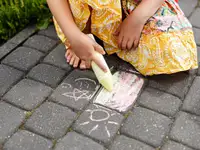 Chalk
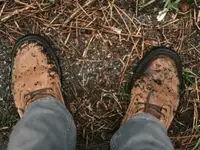 Mud
 Play-Doh-style modeling dough
 Pollen
Mineral and rust stains
Metal compounds: iron oxides (rust, red clay color, iron in hard water) and metal salts such as the aluminum or zinc salts in antiperspirants that build up in fabric. They are not removed by detergent and are made worse by chlorine bleach in the case of iron.
- Use a fabric rust remover (oxalic acid or similar). Oxalic acid binds iron into a water-soluble complex (ferrioxalate) that rinses away.
- Do not use chlorine bleach on rust. Chlorine bleach sets rust stains, makes them more intense or permanent; it can also react with iron in hard water and tint clothes.
 Deodorant
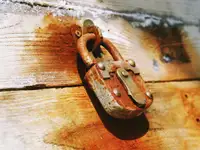 Rust
Mold, mildew and biological stains
Living fungi that grow on damp fabric or surfaces and feed on it. The visible color is partly pigment and partly physical damage: Texas A&M notes the color of mildew stains is the shadow of pits in the fiber surface where damage has occurred.
- Brush spores off outdoors first. Avoids spreading spores indoors and removes surface growth.
- Hottest safe water with heavy-duty detergent and bleach safe for the fabric. Removes growth and oxidizes the colored residue; chlorine bleach where safe, oxygen bleach soak otherwise.
- Fix the moisture. Mold will regrow if the material stays damp; EPA advises drying wet items within 24-48 hours.
 Mildew and mold
Glue, paint and polymers
Liquids that cure or dry into a polymer film or network: latex/acrylic paint and caulk (water-based until dry), oil-based paint and varnish, nail polish (lacquer), super glue (cyanoacrylate), white glue (polyvinyl acetate), toy slime (polyvinyl alcohol or glue cross-linked by borate), silicone putty. Before curing they are removable with their own carrier (water or solvent); after curing many are insoluble.
- Act while wet with the product's own thinner. Water-based paint rinses out in warm water while wet; ACI and Kentucky say once water-based paint has dried it cannot be removed. Oil paint: use the thinner the can recommends (or turpentine), then detergent.
- Matching solvent for cured films. Acetone softens cured cyanoacrylate and dissolves nail polish; rubbing alcohol re-dissolves some inks and silicone toy putty residue (art-supply manufacturer guidance).
- Acid loosens borate-cross-linked slime. Adding acid breaks the borate cross-links, turning the gel into a thinner liquid (Royal Society of Chemistry).
 Caulk
 Glue
 Nail polish
 Paint
 Putty
 Slime
Scorch and heat damage
Not a deposit but browned, partly charred fiber from an iron or other heat source. Light scorch is surface discoloration that can sometimes be bleached; heavy scorch is weakened fiber.
- Bleach safe for the fabric (chlorine if safe, or oxygen bleach soak in hot water). Oxidizes the brown surface discoloration.
 Scorch
Sources
- Quick and Easy Stain Removal for Clothing (HS 305, May 2026), Iowa State University Extension and Outreach
- Removing Clothing Stains (Guide C-502), New Mexico State University Cooperative Extension Service
- Stain Removal Guide, American Cleaning Institute
- Stain Removal from Fabrics: Home Methods (Farmers' Bulletin 1474, rev. 1951; historical), U.S. Department of Agriculture (digitized by Project Gutenberg)
- Stain Removal for Washable Fabrics (HE 2-840), University of Kentucky Cooperative Extension Service
- Quick Stain Removal Guide (L-5199), Texas A&M AgriLife Extension
- Spot Solver: Blood, The Carpet and Rug Institute
- Summer Stains (AnswerLine), Iowa State University Extension and Outreach
- A General Guide to Stain Removal (Extension Bulletin E-1453), Michigan State University Cooperative Extension Service (archived bulletin)
- Chlorine gas: What happens if you mix bleach and other cleaners, National Capital Poison Center (Poison Control)
- Why shouldn't I mix household chemicals with bleach?, Tennessee Poison Center, Vanderbilt University Medical Center
- Dealing with Sport Stains (AnswerLine), Iowa State University Extension and Outreach