How to remove tea stains from clothes and fabric
To remove tea stains, blot, sponge or soak the stain in cool water, pretreat with a prewash stain remover or liquid laundry detergent (not bar soap), then wash in the hottest water the fabric allows with chlorine bleach if it's safe, or oxygen bleach. Tea is full of tannin-type polyphenols that bind to fibers and darken as they oxidize, so fresh stains wash out easily but old ones usually need bleach.
- Best method
- Cool soak, liquid detergent, bleach wash
- Time
- 30 minutes plus a wash
- Difficulty
- Easy
- Stain type
- Tannin
You will need
- White cloth or paper towels
- Cool water
- Prewash stain remover or liquid laundry detergent
- Oxygen bleach, or chlorine bleach for white cotton
- Enzyme presoak, for old or milky tea
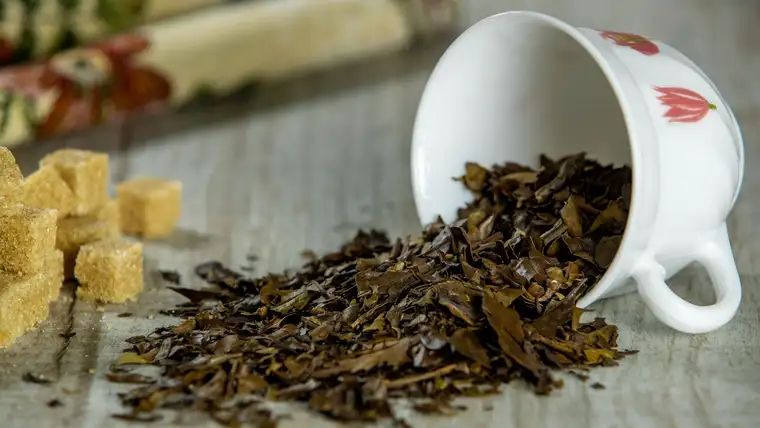
How to remove tea stains
- 1
Blot and soak in cool water
Blot up what you can, then sponge the stain with cool water or soak the item in cool water for a few minutes.
Why: Cool water dilutes and rinses out the soluble color before it binds further.
- 2
Pretreat with liquid detergent
Apply a prewash stain remover, liquid laundry detergent, a liquid detergent booster or a paste of powder detergent and water. Avoid bar soap.
Why: Detergent lifts tannin residue. Natural soap can set tannin stains.
- 3
Wash hot with bleach
Launder in the hottest water safe for the fabric, using chlorine bleach if the label allows, or oxygen bleach.
Why: Oxidizing bleach breaks down the brown polyphenol color.
- 4
Air-dry and check
Air-dry and check in daylight. For an old stain that's still there, soak in an enzyme product before laundering again.
Why: Heat sets remaining color, and enzymes help with aged residue and milk.
Does tea stain clothes? Yes, and here's why
Tea is a water extract of tea leaves, which are rich in polyphenols, including catechins and other flavonoids. These tannin-type compounds bind to fibers and darken as they oxidize, which is why a fresh tea spill looks pale but an old one turns brown. The Kentucky and Iowa State extension guides class tea as a tannin stain, alongside coffee and red wine.
Two rules follow. First, avoid natural soap: bar soap and soap flakes can set tannin stains. Second, act early: Kentucky notes fresh tea usually washes out with detergent and hot water, while old tannin stains often need bleach. Milk or sugar in the tea add protein and sticky residue, so an enzyme presoak helps with those.
Tea on every surface
The method changes with the surface: fabrics can soak, carpets and mattresses can't. Pick yours for the full steps.
| Surface | What works |
|---|---|
| Clothes | Sponge or soak in cool water, pretreat with liquid detergent or a prewash remover (never bar soap), then wash in the hottest safe water with chlorine or oxygen bleach. |
By situation
Old or dried tea stains
Pretreat or soak in an enzyme product first, as the American Cleaning Institute suggests for older beverage stains, then wash with bleach. Kentucky notes old tannin stains may need bleaching for complete removal.
It went through the dryer
Soak in oxygen bleach and rewash hot, or use chlorine bleach on colorfast whites if the label allows. It may take more than one soak.
Tea with milk
Keep the first rinse cool so the milk protein doesn't set, and add an enzyme soak before washing.
White versus colored clothes
On whites, chlorine bleach if the label allows. On colors, use oxygen bleach after a test on an inside seam.
Silk, wool and tea on carpet
Blot silk and wool with cool water, skip chlorine bleach and take them to a dry cleaner. On carpet, the Carpet and Rug Institute's order is a dilute dish-detergent solution, then a vinegar solution, a warm-water rinse and a spot kit. Tea on mugs and counters is covered under coffee stains, which work the same way.
What not to do
- Don't use bar soap or soap flakes. Natural soap can set tannin stains.
- Don't dry or iron before the stain is gone. Heat sets the remaining color.
- Don't mix vinegar and chlorine bleach. Together they release chlorine gas. Rinse between products.
Other methods that work
Boiling water through cotton or linen
A traditional method for fresh tea on sturdy washable fabric: stretch it over a bowl and pour boiling water through the stain. Weak evidence.
Caution: Never on wool or silk, and watch for scalding.
Lemon juice in the sun (whites)
Mild acid plus sunlight is a traditional bleach for tannin stains on white fabric. No cited source covers it for tea; weak evidence.
Caution: Whites only.
White vinegar on carpet
The Carpet and Rug Institute's second step for tea on carpet, after a dilute dish-detergent solution.
Caution: Rinse it out, and never use it with bleach.
Stain still there?
A brown ring remains after washing
Soak in oxygen bleach and rewash hot, or use chlorine bleach on colorfast whites.
The stain darkened after using soap
Natural soap can set tannins. Rinse well, then soak in oxygen bleach and wash with liquid detergent.
Safety
- Never mix vinegar and chlorine bleach.
Never mix cleaning products; see chemicals you must never combine.
Questions
Does tea stain clothes?
Yes. Its polyphenols bind to fibers and darken over time. Fresh stains usually wash out with detergent; old ones may need bleach.
How do you get tea stains out of clothes?
Sponge or soak in cool water, pretreat with a prewash remover or liquid detergent, then launder with chlorine bleach if safe, or oxygen bleach.
Can old tea stains be removed?
Often, with an enzyme pretreatment or soak followed by a bleach wash. Stains that have been through the dryer may need several soaks.
Other tannin stains
Sources
- Stain Removal Guide, American Cleaning Institute
- Stain Removal for Washable Fabrics (HE 2-840), University of Kentucky Cooperative Extension Service
- Quick and Easy Stain Removal for Clothing (HS 305, May 2026), Iowa State University Extension and Outreach
- Spot Solver: Tea, The Carpet and Rug Institute
- Chlorine gas: What happens if you mix bleach and other cleaners, National Capital Poison Center (Poison Control)
Last updated . Methods are drawn from the sources above; how we research and check our guides.