How to remove tar stains from clothes, carpet and cars
To remove tar stains, scrape off as much as you can, then sponge the back of the stain with a dry-cleaning solvent or solvent-based prewash over paper towels, changing them often. Let it work 10 to 15 minutes, rub in liquid laundry detergent, scrub in hot water and wash in the hottest water the fabric allows. Tar is oily and resinous, so water just spreads it; a solvent has to dissolve it first.
- Best method
- Scrape, solvent from the back, detergent, hot wash
- Time
- 30 to 45 minutes plus a wash
- Difficulty
- Moderate
- Stain type
- Wax, gum and resin
You will need
- Dull knife and ice
- Dry-cleaning solvent or adhesive remover
- Paper towels
- Liquid laundry detergent
- Gloves
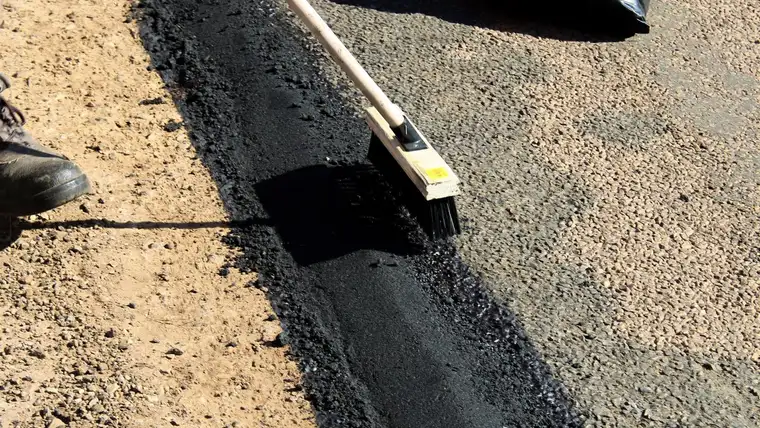
How to remove tar stains
- 1
Scrape off the tar
Chill soft tar with ice until it firms up, then scrape off as much as you can with a dull knife.
Why: Cold tar is brittle and lifts off; warm tar smears.
- 2
Sponge solvent through the back
Lay the stain face down on paper towels and sponge the back with dry-cleaning solvent or a solvent-based prewash. Replace the towels as they darken.
Why: Tar dissolves in solvent and transfers into the towels instead of spreading through the fabric.
- 3
Let it work, then add detergent
Leave the solvent 10 to 15 minutes, then rub in liquid laundry detergent and scrub in hot water. If any tar remains, rub in detergent again.
Why: Detergent removes the oily residue and the solvent itself. This is Iowa State Extension's method.
- 4
Wash in the hottest safe water
Once the solvent has evaporated, launder in the hottest water the fabric allows.
Why: Hot water and detergent remove the remaining film.
- 5
Air-dry and check
Air-dry and check for dark spots before using the dryer.
Why: Heat softens leftover tar and spreads it.
Why tar won't wash out with water
Tar is a dark, sticky material made from carbon-rich sources such as coal, wood or petroleum, and road tar and asphalt behave much the same on fabric. It softens when warm, hardens with age and dissolves in oil-type solvents but not water. It also carries black material deep into the fibers. That oily, resinous behavior puts it with the wax and resin stains, and the Kentucky and Iowa State guides treat it as a combination stain: solvent first for the oily part, then detergent.
Washing before you use a solvent is the classic mistake. The warm water softens the tar, the agitation spreads it, and it can smear onto other clothes and the washer drum.
By situation
Old, hardened tar
Chip off what you can, then use solvent for the residue. Old stain bulletins softened hardened tar with petroleum jelly or lard before solvent and soapy water; that's traditional, with weak evidence, and the grease then needs detergent.
It went through the wash
It has probably spread. Re-treat with solvent from the back, then detergent, and rewash. Check the washer drum and the rest of the load.
Beach tar on feet, shoes or towels
Towels and washable clothes get the solvent and detergent method. Leather shoes should go to a specialist, as the Kentucky extension guide advises.
Tar on car paint
Owner's manuals advise removing tar spots from paint as quickly as possible to avoid lasting damage, using products made for automotive finishes rather than household solvents or strong detergents.
Tar on carpet
The Carpet and Rug Institute's order for asphalt is a dry-cleaning solvent on a cloth, then a dilute dish-detergent solution, then a professional. Never pour solvent onto carpet.
Silk, wool and dry-clean-only items
Take them to a cleaner. See tar on clothes for whites, colors and delicate fabrics.
What not to do
- Don't wash before removing the tar. Heat and agitation spread it through the garment and onto other items.
- Don't put solvent-damp items in the dryer. Solvent vapors are a fire risk. Let them evaporate fully first.
- Don't pour solvent onto carpet. It can damage the backing. Apply it with a cloth.
- Don't use gasoline or other fuels as stain removers. They're highly flammable. Modern extension guidance uses dry-cleaning solvents instead.
Other methods that work
Adhesive remover
Iowa State lists adhesive remover for tree sap, tar and sticker residue.
Caution: Test it, ventilate, and wash the item afterward.
Petroleum jelly or cooking oil
Oils soften tar, an old method from historical stain bulletins. Weak evidence.
Caution: It adds an oil stain that then needs detergent.
Stain still there?
A gray shadow is left after the tar is gone
Rub in liquid detergent and wash again. On whites, an oxygen bleach soak can help.
Tar smeared onto other clothes in the wash
Treat each spot with solvent from the back, then detergent, and rewash. Wipe the drum with solvent on a cloth, then with soapy water, before the next load.
Safety
- Solvents are flammable and toxic. Ventilate, keep them away from flames, and let them evaporate before washing.
- Wear gloves when working with solvents.
Never mix cleaning products; see chemicals you must never combine.
Questions
How do you remove tar from clothes?
Scrape off the excess, sponge the back with cleaning fluid over paper towels, rub in liquid detergent and scrub in hot water, then launder in the hottest safe water.
What dissolves tar?
Oil-type solvents such as dry-cleaning fluid or an adhesive remover. Water doesn't dissolve tar at all.
How do you get tar off a car?
Remove it quickly with a tar remover made for automotive paint. Owner's manuals warn against household solvents and strong detergents on the finish.
How do you get tar out of clothes?
Scrape off the excess, sponge the back of the stain with dry-cleaning fluid over paper towels, let it work 10 to 15 minutes, then rub in liquid detergent, scrub in hot water and wash hot.
Can you wash tar out of clothes?
Not with washing alone. Tar doesn't dissolve in water, and a wash can spread it. Use a solvent first, then wash.
Other wax, gum and resin
Sources
- Stain Removal Guide, American Cleaning Institute
- Quick and Easy Stain Removal for Clothing (HS 305, May 2026), Iowa State University Extension and Outreach
- Spring Laundry Challenges (AnswerLine), Iowa State University Extension and Outreach
- Stain Removal for Washable Fabrics (HE 2-840), University of Kentucky Cooperative Extension Service
- Spot Solver: Asphalt, The Carpet and Rug Institute
- 2017 Sentra Owner's Manual, section 7: Appearance and care, Nissan North America (vehicle owner's manual)
Last updated . Methods are drawn from the sources above; how we research and check our guides.