How to remove oil stains from concrete and driveways
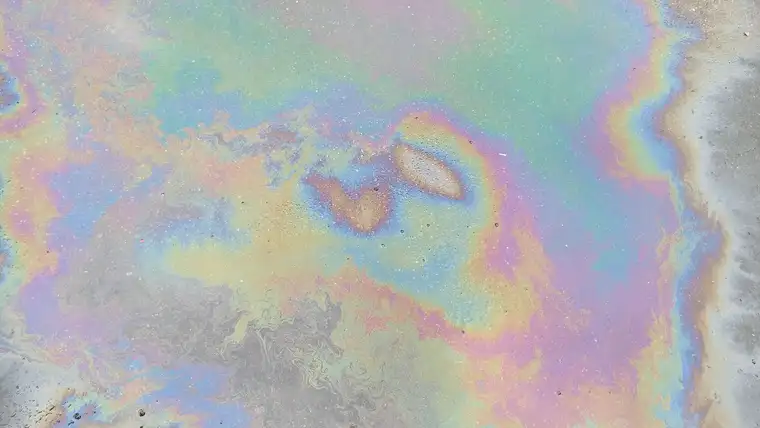
To remove an oil stain from concrete, soak up fresh oil with an absorbent like cat litter, sawdust or baking soda, sweep it up, then scrub the spot with powdered laundry detergent or dish soap and a stiff nylon brush. Older stains need a concrete degreaser, and stubborn ones a poultice of absorbent soaked in solvent that draws the oil out of the pores. Concrete is porous, so oil wicks in fast: the sooner you absorb it, the less you have to pull back out.
- Best method
- Absorb, scrub with detergent or degreaser, poultice if needed
- Time
- 30 minutes for fresh spills; hours to days for old stains
- Difficulty
- Moderate
You will need
- Clay cat litter, sawdust or baking soda
- Powdered laundry detergent or dish soap
- Stiff nylon brush (not wire)
- Concrete cleaner or degreaser
- Acetone or lacquer thinner and plastic sheet, for a poultice
- Gloves and eye protection
Step by step
- 1
Absorb fresh oil right away
Wipe up any pooled oil, then cover the spot generously with clay cat litter, sawdust or baking soda. Leave it to soak up the oil, then sweep it up. Bag it and dispose of it as your local rules require.
Why: The absorbent pulls oil out of the surface before it wicks deep into the pores, and sweeping it up keeps oil out of storm drains.
- 2
Scrub with detergent
Wet the area slightly, sprinkle on powdered laundry detergent or baking soda (or squeeze on dish soap) to make a paste, and scrub hard with a stiff nylon brush. Let it sit a little, scrub again, and rinse sparingly.
Why: Detergents emulsify oil so it lifts out of the surface. Fresh stains often clear at this stage.
- 3
Use a degreaser on older stains
Apply a concrete cleaner or degreaser (a concentrated alkaline soap) as its label directs, scrub it in with the brush, and give it the contact time listed.
Why: Degreasers loosen oil that has settled into the pores. They work best on porous, unsealed concrete.
- 4
Draw out stubborn stains with a poultice
Mix an absorbent (cat litter or sawdust) with a strong solvent such as acetone or lacquer thinner into a thick, wet paste. Spread it over the stain, cover with plastic and tape the edges, and leave it to draw the oil out. Scrape it off, let the area air out, and repeat if needed. Work outdoors, away from flames, with gloves and eye protection.
Why: The solvent dissolves the oil deep in the pores and the absorbent wicks it up as it dries, the same principle stone restorers use. Pouring solvent alone just spreads the stain and lets it reappear as it evaporates.
- 5
Collect the wash water
Soak up rinse water with more absorbent or a wet/dry vacuum instead of hosing it into the street, gutter or storm drain.
Why: EPA notes storm drains carry pollutants untreated to lakes and streams.
Why oil stains concrete so stubbornly
Concrete is porous and alkaline, and hydrated cement has a very large internal surface. Motor oil and grease are hydrocarbons that wick into those pores on contact and darken the surface. Fresh oil can be soaked up and washed out; oil that has had time to spread deep needs degreasers, solvent poultices or, for very old stains, products with oil-eating microorganisms (bioremediation), used per the label.
Oil left in place also matters later: the Concrete Network notes that oil must be removed before you stain, seal or resurface concrete, or it will bleed back through. For grease on other surfaces, see grease stains, and for the concrete-specific stain page, grease on concrete.
How stains behave on concrete, and the rules for any spot
Spills soak in fast and can react with the cement, which makes old stains hard to remove. Stains drawn into pores can reappear as a solvent evaporates, which is why a poultice works better than pouring solvent on. Rust from metal furniture or irrigation water bonds to the surface; see rust stains.
The rules:
- Act fast: absorb fresh liquids before they soak in.
- Identify the stain, then pick the method; test on an out-of-the-way spot first.
- Mildest first: absorbent, then detergent and scrubbing, then degreaser or poultice. Acids only as a last resort.
- Pre-wet concrete before using acid or alkaline cleaners, and rinse thoroughly afterward.
- Add acid to water, never water to acid, when diluting.
- No wire brushes: they leave metal particles that rust and stain.
- Wear gloves and eye protection and ventilate with strong chemicals.
By situation
Fresh oil drip on a driveway
Absorbent first, before anything wet: cat litter, sawdust or baking soda, ground in and left to sit. Then a detergent scrub. Fresh drips often disappear completely.
Old, dark oil stains on a garage floor
Scrub with a concrete degreaser, then use a solvent poultice on what's left, repeating as the stain lightens. Very old, large stains may only fade; commercial oil-eating microbial products are an option for heavily contaminated areas.
Using a pressure washer
Pressure washers (roughly 1,500 to 3,300 psi) can help rinse a degreased area, but they can etch concrete if the nozzle is held too close or the pressure is too high. Keep the wand moving and test on an out-of-the-way patch, and still keep the runoff out of storm drains.
Sealed, colored or decorative concrete
Test cleaners in a hidden spot first, since solvents and strong degreasers can affect sealers and color. Re-seal once the concrete has dried, which the Concrete Network puts at two to three days.
Before staining or sealing a driveway
Remove every oil spot first, or it will bleed through the new finish.
What not to do
- Don't hose oily wash water into the street or storm drain. Storm drains carry it untreated to waterways.
- Don't use muriatic (hydrochloric) acid on oil stains. It doesn't dissolve oil, and it etches away the concrete's top layer.
- Don't use solvents near flames, pilot lights or without ventilation. Acetone and lacquer thinner are highly flammable.
- Don't use a wire brush. It leaves metal particles in the concrete that later rust and stain.
- Don't use gasoline or other fuels as a degreaser. Extension guidance says never to use gasoline or lighter fluid as a cleaning solvent because of the extreme fire danger.
Other methods that work
Commercial concrete degreaser
A concentrated alkaline cleaner made for concrete, scrubbed in per the label. A good middle step between detergent and a solvent poultice.
Caution: Wear gloves and eye protection; rinse thoroughly and collect the rinse water.
Oil-eating (bioremediation) products
Products with microorganisms that digest hydrocarbons, for old or heavily contaminated areas, used per the label.
Caution: They work slowly; follow the product's directions for moisture and time.
Solvent poultice
Absorbent plus acetone or lacquer thinner, covered with plastic. More on acetone.
Caution: Highly flammable. Outdoors only, no flames or sparks, and keep children and pets away.
Stain still there?
The stain came back after drying
Oil deeper in the pores wicked back up. Repeat the poultice, which pulls oil out as it dries, rather than adding more liquid cleaner.
The cleaned patch is now lighter than the rest of the driveway
The rest of the slab is dirty, or the surface was etched. Clean the whole slab evenly with detergent or degreaser so it blends.
Detergent scrubbing made no difference
The oil has soaked too deep for surface cleaning. Move to a degreaser, then a solvent poultice.
Safety
- Use solvents outdoors, away from flames and sparks, with gloves and eye protection.
- Never mix bleach with ammonia or acids if you are also treating mildew.
- When diluting any acid, add acid to water, never water to acid.
Never mix cleaning products; see chemicals you must never combine.
Questions
How do you get oil out of a concrete driveway?
Absorb fresh oil with cat litter, sawdust or baking soda, then scrub with detergent and a stiff nylon brush. Use a degreaser on older stains and a solvent poultice on stubborn ones.
Does cat litter remove oil from concrete?
Clay cat litter absorbs fresh oil well if you apply it quickly and leave it to sit. It does little for old, set stains, which need a degreaser or poultice.
Can a pressure washer remove oil stains?
It helps rinse loosened oil after a degreaser, but alone it rarely removes set stains, and too much pressure can etch the concrete.
Will muriatic acid remove oil stains?
No. It doesn't dissolve oil and it etches away the surface of the concrete.
Are old oil stains on concrete permanent?
Not always. Repeated poultices and bioremediation products can lift a lot of old oil, but very old, deep stains may only fade.
Stains on concrete
More guides for this room
- How to clean an air fryer, basket and heating element
- How to clean area rugs by hand, in the washer or outside
- How to clean baseboards (painted or stained wood)
- How to clean a bathtub and get stains out of it
- How to clean blinds: vinyl, metal, wood and bamboo
- How to clean burnt pots and pans (and stuck-on cake)
- How to clean a car interior, seats and headliner
- How to clean carpet at home, and get smells out of it
- How to clean cast iron, and get rust off it
- How to clean a coffee maker with vinegar (and other descalers)
- How to clean a comforter or duvet at home
- How to clean a couch, including stains and smells
Sources
- How to Remove Oil Stains from Concrete, Concrete Network (concrete industry information site)
- Driveway Cleaning - How to Clean a Concrete Driveway, Concrete Network (concrete industry information site)
- After the Storm (stormwater brochure), U.S. Environmental Protection Agency
- Selection and Use of Home Cleaning Products, Guide G-304, New Mexico State University Cooperative Extension Service
- Stain Removal (natural stone) incl. Making and Using a Poultice, Natural Stone Institute
- CBD-153 Removal of Stains from Concrete Surfaces (Canadian Building Digest, 1972), National Research Council Canada (mirror copy)
- Removing Stains From Washable Fabric, Texas A&M AgriLife Extension
Last updated . Methods are drawn from the sources above; how we research and check our guides.